


Lycopene - Antioxidant Properties: Background and Benefits
BioNutris / 20 Nov, 2022
Lycopene is a carotenoid, which is a pigment that can be synthesized by plants but not animals. It has a bright red color and is named after the tomato plant, known scientifically as Solanum lycopersicum. Lycopene was first isolated in 1910 from the fruit of the tomato plant, which has the highest lycopene content of any food commonly available in the West. The molecular structure of lycopene was determined by 1931. Tomatoes and tomato products provide over 85 percent of the lycopene intake for people in western countries. Additional sources of lycopene include autumn olives, pink guava, pink grapefruit, wolfberries and rosehips.
The most important use of lycopene in plants is to help support the skin's ability to manage the effects of sunlight. It is also an approved food coloring in most countries due to its strong color and non-toxicity. Lycopene is an antioxidant that provides a variety of supporting functions in humans. It is found in most human tissues, although the tissues with the greatest concentration of lycopene include the blood, skin, adrenal glands and liver.
Uses of Lycopene
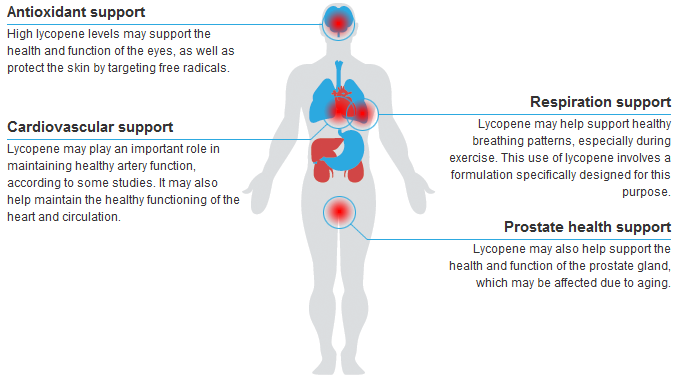
Lycopene provides a number of health benefits, particularly due to its antioxidant properties. It may help maintain skin health and support the cardiovascular system. It also provides additional health support for the eye, lungs and prostate gland.
Signs You May Need Lycopene
Low levels of carotenoids such as lycopene leave cells vulnerable to damage from free radicals, which are highly reactive with other compounds. Lycopene is especially beneficial in maintaining the cell membrane in the presence of free radicals. The most common signs of a lycopene deficiency include poor health of the heart, lungs and prostate gland. A lycopene deficiency can also cause low energy levels and difficulty maintaining a healthy cholesterol profile.
Lycopene is one of the most potent plant-derived antioxidants found in fruits and vegetables. It can help protect DNA, proteins, and lipids from oxidation and promotes cellular resilience and longevity by scavenging free radicals - hence, promoting redox balance.
BioNutris Admin Creative Copywriter
 BioNutris Admin


Comments(26)
SENSITIVE TO ENVIROMENT
Our policies and practices are environmentally friendly with focus on sustainability and conservation.
QUALITY AND SAFETY
Based on strict Canadian standards. All our products must be scientifically quantified before being introduced to the Market place for general use.